


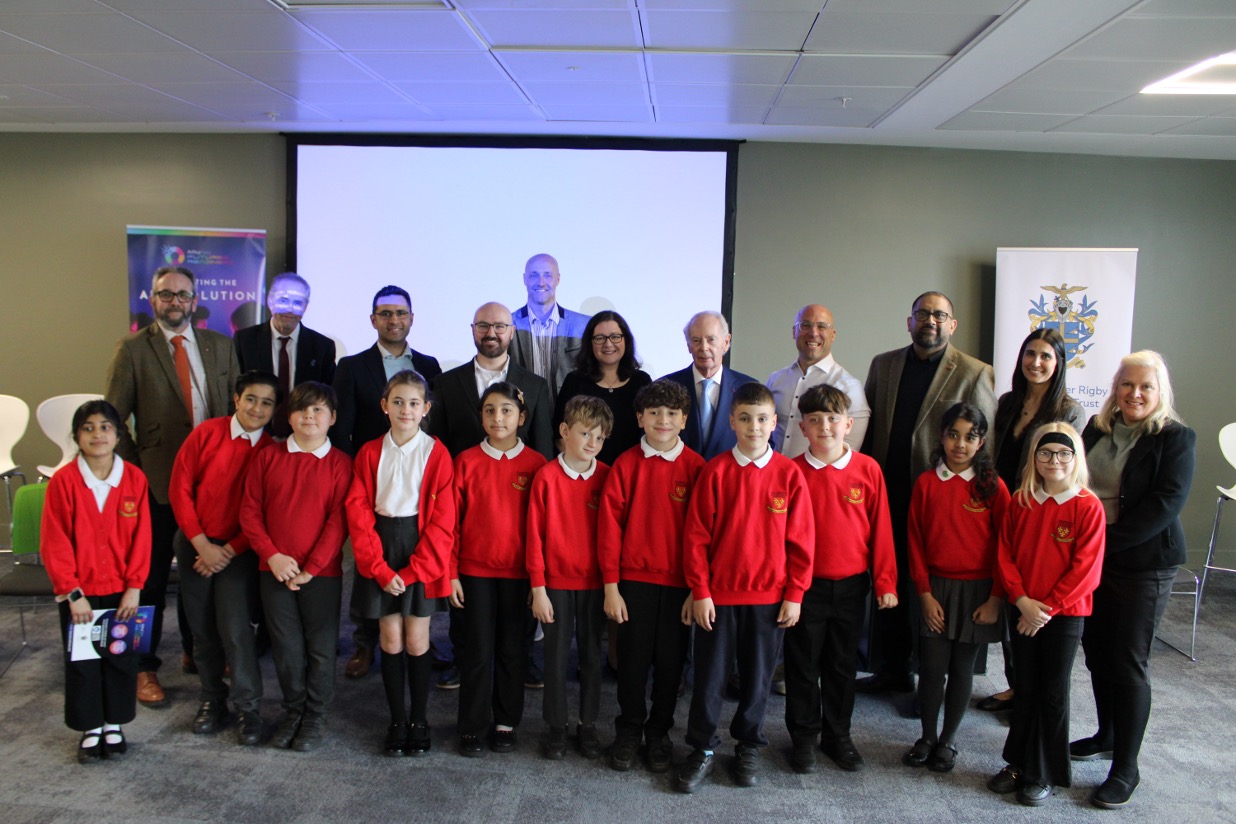

Futures Readiness AI education: Tens of thousands of students across the country are learning about the impact AI will have on every aspect of their lives, thanks to a groundbreaking education programme made in Birmingham.
Last week 70 delegates from education and business came together at Millennium Point to hear the results of independent research into the impact of the programme – called Futures Readiness – and how it can prepare even more youngsters for the AI age.
Futures Readiness, which was created by Alex Zarifeh at the Sutton Coldfield-based Arthur Terry Learning Partnership (ATLP), aims to help young people and teachers by helping them to navigate the ever-evolving world of artificial intelligence.
So far, the programme has been rolled out in 51 schools and colleges across England from Kent to Manchester – totalling 45,000 learners per fortnight.
It provides fortnightly teaching resources that help youngsters understand the impact of AI in an engaging way.
Alex explained: “The programme helps young people in education but also the facilitating adults figure out how to respond to AI in many different ways, which is important as AI is a complicated, nuanced issue.
“We support them in making sense of fast-paced change – developing critical thinking and ‘AI Discernment’, ability to know when to leverage AI, when to proceed cautiously, and when to actively resist it.”
The independent research team found that Futures Readiness is providing real benefits to young people across the nation.
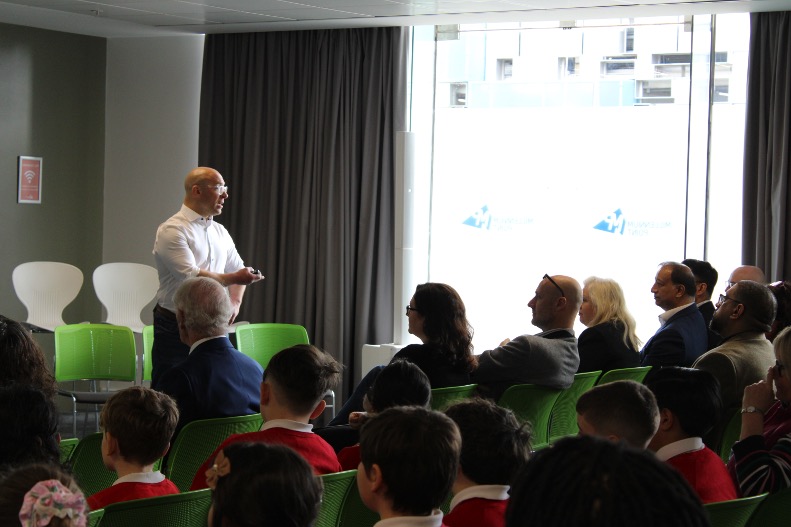
Lead Researcher, Dr Naomi Tyrrell, of the University of Plymouth, presented the report’s key findings.
She said: “The Futures Readiness AI education programme helps students reflect on the ethical and appropriate use of AI in education and beyond and reveals strong progress towards thinking critically about AI and ensuring students are more informed and better prepared for the future.”
The event also brought together a panel of AI experts, including Al Kingsley MBE, a UK Government adviser on AI and education; Andy Hague, CEO of Tech WM; and the University of Birmingham’s Associate Professor Shane McLoughlin, whose research explores the impact of AI on human flourishing.
Sir Peter Rigby, whose Charitable Trust commissioned the independent research, opened and closed the event.
Sir Peter said: “It is vital that young people are kept abreast of the shifts taking place in technology that are already shaping choices, careers and lives.
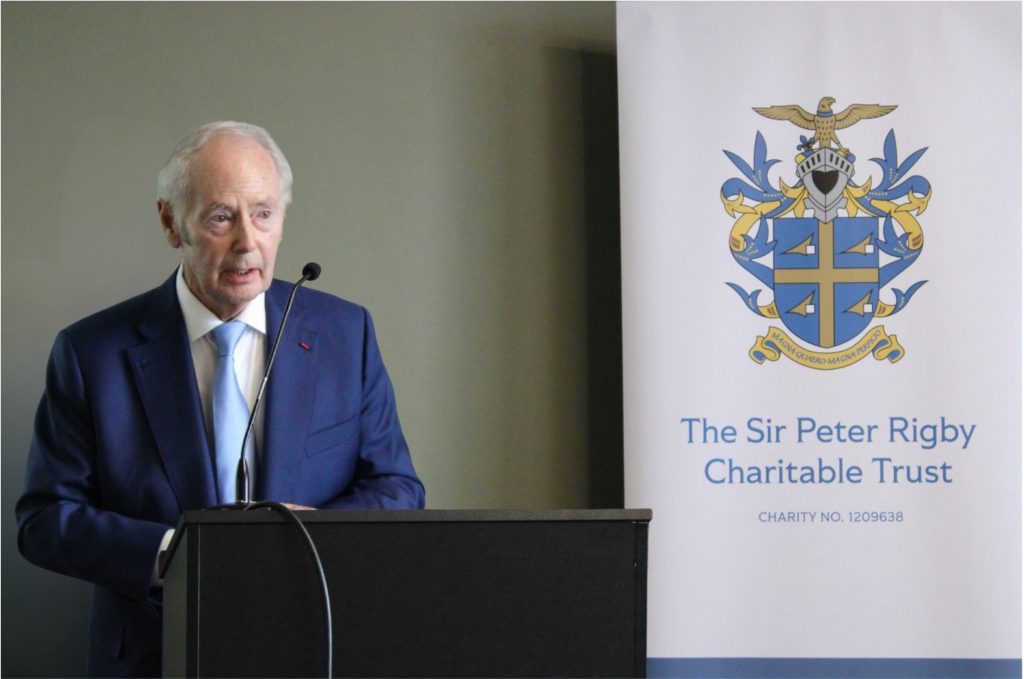
“Being ‘future ready’ is not only about new tools, it’s also about understanding, having opportunities to think critically about what AI can do, what it cannot and the significant implications it poses for us all.”
Also invited to speak were representatives from schools who have embraced the Futures Readiness programme.
The student, staff and parent voice panel passed the microphone to students from Luton’s Hillborough Junior School, who travelled to Birmingham to share their views on the benefits of the programme.
And Year 4 teacher Sabrina Williams, from ATLP’s own Two Gates Primary School in Tamworth, then told attendees how Futures Readiness had sparked conversations among her young students.
Finally, Iram Nazir from SCC and Rajh Chana of Blueprint Tax spoke from a parental perspective, sharing the importance of their own children accessing the programme.
Sir Peter closed the event with a bold challenge to expand the Birmingham-born Futures Readiness initiative across the West Midlands.
He said: “If we want young people to benefit from AI’s extraordinary pace, we must equip them to question it, use it responsibly, and shape it – rather than simply be shaped by it.
“That is why the work behind the Futures Readiness impact report matters – and why partnerships matter. If we align our efforts, together we can turn early impact into lasting change!”
Futures Readiness at Millennium Point

For more information on Futures Readiness visit futuresreadiness.com.